
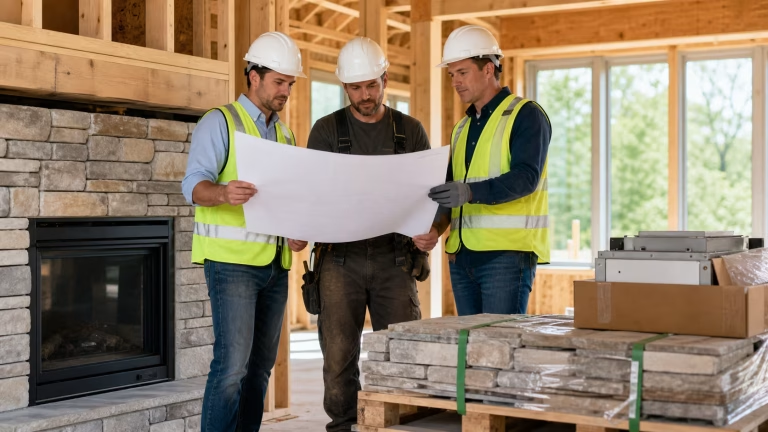
Understanding Fireplace Lead Times in New Residential Construction
Fireplace planning is a schedule decision, not simply a finish selection. A late choice can affect framing, rough mechanical work, material releases, stone installation, and readiness for final inspections.
For production, semi-custom, and custom builders, the goal is not to make purchasing harder. It is to identify the choices that can delay the field before they disrupt the build plan. When supply, installation, and stone work are coordinated under one trade scope, we can help reduce handoffs and keep communication aligned with your construction schedule.
What Drives Fireplace Lead Times
Fireplace lead times for builders involve more than getting a unit delivered to the jobsite. Timing can shift based on the selected model, product availability, finish components, optional accessories, manufacturer production schedules, and the number of homes being released at one time.
Standardized fireplace packages may have different timing than specialized selections. We recommend confirming current availability for each project instead of assuming a product will follow the same schedule as it did in a prior community or building cycle.
Before materials are released, the team should confirm the full scope, including:
- Fireplace type and approved model
- Unit location and applicable venting approach
- Framing conditions, fuel source, and electrical coordination
- Surround, manufactured stone veneer, or exterior stone selections
- Approved elevations and any plan-specific details
Incomplete information often leads to changes after the schedule is already moving. A missing finish choice or an unapproved elevation can hold up ordering, installation, or the work that follows. Clear release information gives purchasing teams, superintendents, and installers a better chance to plan around the same dates.
Make Selections Before Framing Milestones
A fireplace should be tied to early construction milestones because the selected unit can influence wall layout, framing preparation, chase requirements, gas planning, electrical work, and surround installation. Treating it as a late finish item can leave adjacent trades waiting or require field adjustments that could have been addressed during plan review.
For repeat plans, we often see the best results when builders establish approved fireplace packages by plan and elevation. Semi-custom programs benefit from documented buyer selections and firm release dates, while custom homes need more review time for unique details, nonstandard layouts, or multiple fireplace locations.
During preconstruction, reviewing fireplaces, stone veneer, and exterior cladding together can help identify conflicts before crews arrive. This also supports consistency across similar homes while giving the project team time to respond if product timing changes.
A practical selection process may include:
- Confirming approved fireplace packages for each plan
- Reviewing elevation options before starts are released
- Recording buyer selections by a defined deadline
- Checking fireplace and stone scope during preconstruction meetings
- Allowing added review time for custom architectural details
Early confirmation does not lock a builder into unnecessary complexity. It creates room to resolve product timing, installation sequencing, and trade coordination before the field schedule becomes tight.
Coordinate Fireplace Work with Adjacent Trades
Fireplace installation intersects with several trade scopes. Depending on the home design and product selected, framing, mechanical, gas, electrical, drywall, stone installation, trim, and painting teams may all have work connected to the fireplace area.
Sequence matters. Framing and rough trade conditions need to be ready before installation begins. Stone or other finish work should follow after the needed fireplace components are in place. The exact order should always follow approved plans, manufacturer requirements, and applicable local requirements.
Jobsite readiness should be confirmed before an installation crew arrives. We recommend that builders, superintendents, and trade partners review access, material staging, prerequisite work, and any schedule changes in advance. A missed readiness check can create lost time for the builder and installer, especially when crews are moving between multiple homes.
Using one accountable partner for fireplace supply, installation, and coordinated stone work can simplify this part of the build. Rather than sorting out whether a delay belongs to a vendor, installer, or finish contractor, your team has clearer visibility into the scope and its required conditions.
Plan Purchasing Around Seasonal Demand
August is a useful time to look ahead at fall starts, winter construction activity, and upcoming community phases. Year-end production schedules, holiday closures, weather-related jobsite changes, and planned volume releases can all affect how materials and installation dates should be managed.
Instead of waiting until a home reaches framing, we encourage teams to review permits, starts, lot releases, buyer selections, and projected installation windows together. That broader view helps purchasing and construction management spot homes that need decisions sooner.
A simple planning calendar can provide useful visibility across the team. It should identify when plans need approval, when selections must be finalized, when materials should be released, and when installation conditions are expected to be ready.
Approved alternates and standardized packages can also help when timing changes. This does not mean sacrificing the architectural program. It means having reviewed options available when a product selection or schedule condition needs to be reconsidered. Any substitution should still be checked for plan compatibility, manufacturer requirements, and design approval before release to the field.
Reduce Handoffs Across Fireplace and Stone Scope
Separate vendors, installers, and finish contractors can create communication gaps. When one party supplies the fireplace, another installs it, and another completes the stone or veneer work, builders may spend more time coordinating deliveries, field questions, and schedule changes.
Our team serves Raleigh-area residential builders with fireplace, manufactured stone veneer, exterior stone, and coordinated installation packages. By managing supply, installation scheduling, stone selections, and field communication within one scope, we help construction teams maintain clearer accountability across repeat plans, phased developments, and varying elevations.
For builders, predictable operations come from knowing what has been selected, what is ready to order, what is scheduled, and what conditions must be complete before installation. That visibility supports consistent trade installation and helps identify problems while there is still time to adjust the plan.
Put Lead Time Planning Into Regular Production Meetings
Fireplace scope belongs in preconstruction, purchasing reviews, and upcoming-start meetings. The most useful first step is to identify which homes need selections confirmed, which packages are ready for release, and which installation dates depend on adjacent trade completion.
When those items are reviewed early and consistently, fireplace lead times become a manageable part of production planning rather than a late-stage surprise.
Coordinate Fireplace Packages With Confidence
For support with fireplace lead times for builders, our team can help align product selection, installation, and scheduling with your construction sequence. Brandco provides one accountable trade partner for fireplace supply and installation across your homes and phases. Contact us to discuss an upcoming project and builder package requirements.
Frequently Asked Questions
What are fireplace lead times in new residential construction?
Fireplace lead times include the time needed to confirm selections, release materials, receive the fireplace unit and components, and schedule installation. They can vary based on the model, availability, accessories, manufacturer production schedules, and the number of homes released at once.
When should a builder select a fireplace for a new home?
Builders should confirm fireplace selections before key framing and rough mechanical milestones. The selected unit can affect wall layout, framing, venting, gas lines, electrical work, and the timing of surround or stone installation.
What information is needed before ordering a fireplace?
Before ordering, confirm the approved fireplace model, location, venting approach, framing conditions, fuel source, electrical needs, and finish selections. Approved elevations, surround details, manufactured stone veneer, and exterior stone selections should also be finalized.
What is the difference between a standard fireplace package and a custom fireplace selection?
A standard fireplace package is typically preapproved for a specific home plan or elevation, which can simplify ordering and scheduling. A custom selection may require additional review for unique layouts, special finishes, multiple fireplace locations, or nonstandard architectural details.
How can builders avoid fireplace installation delays?
Builders can reduce delays by setting selection deadlines, confirming availability for each project, and reviewing fireplace scope during preconstruction. Coordinating framing, gas, electrical, drywall, stone, trim, and painting work around approved plans and manufacturer requirements also helps keep the schedule aligned.