
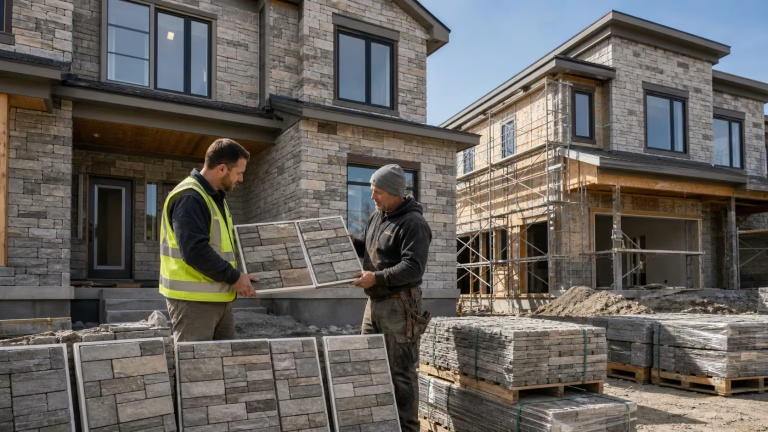
Managing Stone Veneer Consistency Across Townhome Phases
Stone veneer consistency is a construction-management issue, not just an architectural preference. On a phased townhome community, small changes in color, profile, trim, layout, or installation can stand out quickly when completed buildings sit beside new releases.
We help builder and construction teams protect a community’s intended exterior appearance by treating stone veneer for townhomes as a coordinated package. That means making clear decisions early, keeping materials and installation aligned with the construction schedule, and carrying lessons from one phase into the next.
Lock in a Standard Before the First Elevation
Before the first building reaches exterior work, the project team should agree on the standard that will guide every future release. Leaving selections open too long can force purchasing teams and field crews to make decisions under schedule pressure. Those decisions can create visible differences that are difficult to correct once multiple buildings are complete.
A documented stone package gives the developer, architect, builder, purchasing team, and trade partner one shared reference. We recommend defining:
- Approved manufacturer lines, colors, and stone profiles
- Elevation-specific stone locations and transitions
- Trim pieces, corners, and other visible details
- Mortar expectations where applicable
- Approved options for planned elevation or colorway variation
Some variation may be part of the streetscape design. Different elevations or coordinated colorways can keep attached homes from looking repetitive. The key is to establish those choices during planning, rather than allowing each phase team to select alternatives independently.
For Raleigh-area builders, one accountable supply-and-install partner can reduce avoidable handoffs. Our team can coordinate material selections, takeoffs, installation planning, and release communication so the package used on the first building remains clear through final closeout.
Build a Repeatable Stone Veneer Package
A repeatable package turns approved selections into something the field can consistently order and install. Rather than treating each townhome building as a separate stone decision, we organize the work around building types, approved elevations, and documented applications.
Clear package records support better planning at several points. Purchasing teams can order against a known scope. Construction managers can confirm that the material arriving on site matches the approved elevation. Installation crews can work from the same detail expectations instead of relying on assumptions from a prior release.
Changes still happen during active construction. Plans may be revised, an elevation may be adjusted, or a material decision may need formal review. In those cases, a controlled update process matters. We recommend making sure revised documents reach purchasing, field management, and installation teams before the next release moves forward.
That discipline helps prevent a common problem: one building is installed from the latest approved detail while the next building follows an older plan set. Keeping the stone veneer for townhomes package current protects visual consistency and keeps field questions from becoming last-minute schedule issues.
Align Material Planning with Phase Release Dates
Townhome construction rarely moves in a straight line from one phase to the next. Lot releases, framing progress, dry-in dates, labor capacity, site access, and adjacent-trade sequencing can all affect when stone work is ready to begin. Original community timelines are useful, but material planning needs to follow the actual build schedule.
Early visibility into upcoming releases gives us time to coordinate product needs and installation capacity before stone becomes a schedule-critical scope. Knowing the anticipated building starts and elevation mix also helps identify where one phase may need a different material quantity or installation sequence than another.
If schedules shift or a specified item becomes harder to source, the project team needs a defined review path. Any alternative should be considered against completed buildings, active construction, and future releases, not only the immediate need.
A practical release review can include:
- Expected exterior start dates by building
- Approved elevation mix and stone quantities
- Material status and delivery timing
- Installation capacity and jobsite readiness
- Open changes requiring project-team approval
Our role is not simply to deliver stone. We coordinate a reliable path from approved selection to installed exterior, with purchasing, construction, and installation teams working from the same information.
Keep Installation Methods Consistent Across Crews
Even identical stone selections can look different if installation details change from one building to another. Layout, corner treatment, transitions to siding, window and door openings, trim components, and termination points all affect the finished elevation.
Consistent expectations should be based on approved plans and applicable manufacturer requirements. Crews need clear direction before work begins, especially when a new phase includes a different elevation mix or a detail that was not used in the previous release.
Managing both supply and installation allows us to keep accountability closer to the work. Fewer handoffs make it easier to communicate approved details, respond to field conditions, and address questions while the building is still in progress.
Stone work also intersects with other exterior scopes. Cladding, flashing, windows, doors, trim, masonry features, and site conditions can all affect installation timing and finished transitions. Proactive jobsite communication helps prevent rework and reduces the chance that one trade completes work without visibility into another trade’s scope.
Regular field review is equally important. If we identify a recurring concern on an early building, the team can correct it before it carries across the rest of the phase. That protects the schedule and can limit future punch-list and warranty issues.
Use Each Phase to Improve the Next Release
Phase closeout should be more than a finish line. It is a useful planning checkpoint before the next group of townhomes reaches the same stage. We encourage project teams to review what worked, where field changes occurred, and what should be clarified before the following release.
A focused review can cover material usage, installation timing, punch-list items, communication gaps, and coordination with adjacent trades. Small improvements often have a larger effect when the same process repeats across many attached homes.
Late summer is a practical time to review upcoming fall construction activity. Builders can confirm exterior material packages, consider lead-time needs, and align installation schedules with anticipated starts before multiple buildings reach dry-in at once.
Consistency across townhome phases depends on a repeatable process as much as it depends on a consistent product. With approved details, material planning, installation standards, and phase feedback staying connected, each new release has a clearer path to matching the community already taking shape.
Maintain Stone Continuity From Phase to Phase
Brandco helps builder teams coordinate stone veneer for townhomes with product planning, installation, and construction schedules. Our team can support elevations and packages that align with your project requirements. Contact us to discuss an upcoming townhome phase and your stone veneer needs.
Frequently Asked Questions
What is stone veneer consistency in a phased townhome community?
Stone veneer consistency means keeping the approved stone colors, profiles, trim pieces, locations, and installation details consistent across all townhome phases. It helps completed buildings and later releases maintain a coordinated exterior appearance.
How do builders keep stone veneer matching across multiple townhome phases?
Builders should create a documented stone package before exterior work begins, including approved manufacturer lines, colors, profiles, elevation details, corners, and trim. Purchasing teams, field managers, and installation crews should use the same current documents for every release.
What is the difference between planned stone veneer variation and inconsistent stone veneer?
Planned variation uses pre-approved colorways, elevations, or stone applications to add visual interest while maintaining a cohesive streetscape. Inconsistent veneer occurs when later phases use unapproved or mismatched materials, details, or installation methods.
Why should stone veneer materials be planned around actual phase release dates?
Townhome schedules can change because of lot releases, framing progress, site access, labor availability, and adjacent trades. Planning materials and installation around real release dates helps prevent shortages, substitutions, and delays when stone work is ready to start.
What should happen when a townhome stone veneer elevation changes during construction?
Any change to a stone veneer elevation, profile, color, trim detail, or application area should go through a controlled approval process. Updated documents should be shared with purchasing, field management, and installation teams before the next building moves forward.