
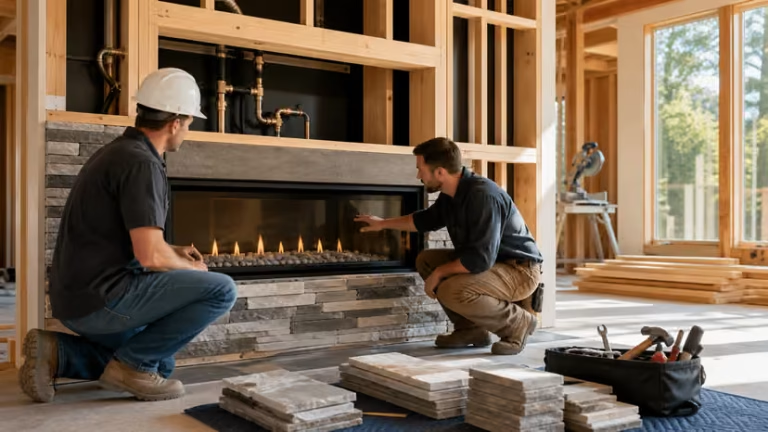
Plan Gas Fireplaces Before Framing Begins
Gas fireplaces for new construction should be planned as part of the building package, not treated as a late interior finish selection. As fall schedules move toward colder-weather milestones, early decisions can help your team keep framing, rough-ins, and exterior work aligned.
A fireplace affects more than the wall it sits on. Room location, appliance type, venting path, framing space, chase design, gas planning, electrical coordination, and exterior elevations may all need attention before walls are closed. We recommend that purchasing, construction, design, and trade partners work from the same approved plan early, before selections turn into field changes.
Working with one trade partner for fireplace selection, materials, installation, scheduling, and related stone packages can also reduce handoffs. That creates a clearer path from plan review through final finishes, especially when several homes are moving at once.
Choose Gas Fireplaces for New Construction with Confidence
Before we help a builder narrow down fireplace options, we look at the plan as a whole. A good-looking unit on a product sheet may not be the right fit for every room, elevation, framing condition, or vent route. Reviewing those items up front gives your team a better basis for decisions.
Key specification questions often include:
- Where will the fireplace sit within the floor plan and exterior elevation?
- What visual style fits the home series, option tier, or design direction?
- What heat expectations does the room have?
- What venting route and termination location are possible?
- How much framing space is available for the approved configuration?
For production and phased communities, we encourage teams to evaluate gas fireplaces for new construction at the plan and elevation level. Instead of making isolated selections house by house, you can define packages that work across recurring plans. That approach supports clearer purchasing, more predictable estimating, and repeatable field installation.
Standard specifications should still be reviewed for each applicable condition. Current manufacturer installation instructions, approved venting configurations, local code requirements, architectural requirements, and direction from the authority having jurisdiction all matter. We do not assume one fireplace model works in every plan without confirming the actual framing, location, and venting conditions.
Coordinate Framing, Venting, and Trade Sequencing
A fireplace package touches several stages of construction. Framing needs to provide the approved opening and chase conditions. Gas stub-outs and electrical needs must be coordinated with the appropriate trades. Venting may affect framing, roofing, exterior-wall penetrations, and the placement of nearby features. Stone veneer, mantels, surrounds, and other finish work usually depend on the fireplace being correctly placed first.
Clear sequencing helps reduce avoidable rework. If a vent route changes after framing or an exterior termination conflicts with another building feature, the correction can affect more than one trade. The same is true when stone work begins before fireplace placement has been confirmed.
Before installation, we find it helpful for the team to confirm:
- Framing and chase construction match the approved fireplace package
- Gas and electrical rough-ins are ready in the correct locations
- Venting routes and exterior or roof penetrations are clear
- Jobsite access supports delivery and installation timing
- Adjacent stone, masonry, mantel, and finish-trade work is sequenced properly
The goal is not to create more meetings. It is to identify dependencies while they are still easy to address. We coordinate with builders, superintendents, framers, HVAC and plumbing teams, electricians, roofers, and finish trades so each group understands what must happen before the next step can begin.
Standardize Fireplace Packages Across Phases
Standardizing fireplace packages can make estimating, purchasing, selections, and field execution easier to manage. For recurring floor plans, a builder can establish approved fireplace packages by plan, elevation, home series, or option tier. Each package can include the selected fireplace, venting approach, surround direction, and related stone veneer requirements where applicable.
That does not mean every home has to look the same. Semi-custom and custom builders can maintain defined upgrade paths while limiting the number of products and finish combinations that need to be reviewed, ordered, and installed. A manageable package list gives design teams room to offer choices without creating unnecessary confusion in the field.
Consistency also helps teams document what was selected and what was approved. When material supply and installation are coordinated through one trade partner, there are fewer handoffs between the product source and the installation team. That can be especially helpful for Raleigh-area builders managing multiple starts, recurring plans, or phased community releases.
Since 1977, we have worked with construction teams that need fireplaces and stone packages to fit into real production schedules. Our role is to help carry the approved package from selection through material coordination and professional installation, while keeping the field team informed about readiness and timing.
Prevent Late-Stage Delays and Warranty Issues
Late-stage fireplace concerns often begin much earlier in the process. Common issues include field changes that were not approved, incomplete framing, missed venting details, unclear handoffs between fireplace and finish trades, or selections that do not match the plan package. None of these issues need blame. They need a clear review process before work reaches the closing phase.
Documented selections and confirmed product packages give superintendents and trade partners a shared reference point. Installation scheduling and jobsite readiness checks can also help set expectations before materials arrive. When the fireplace is installed in the right location and the next trade understands the approved finish details, punch-list questions are easier to avoid.
Warranty preparation deserves the same level of attention. We recommend maintaining accurate model information, installation documentation, and records of the approved package for each home. Teams should follow current manufacturer requirements and establish a clear process for homeowner orientation and post-closing service coordination when applicable. Good documentation supports the warranty team long after the installation crew has moved to the next start.
Bring Fireplace Planning Into the Schedule
Successful fireplace installation starts with early specification and continues through coordinated field execution. When you treat a fireplace as a planned construction package, rather than a late-stage finish item, your team has more time to confirm framing, venting, selections, and trade sequencing before they affect the schedule.
For each upcoming release or start, review the approved plan, fireplace package, stone veneer scope, and installation readiness together. That simple discipline helps keep decisions connected from purchasing through field execution and final handoff.
Streamline Fireplace Package Coordination
For upcoming homes or phases, review our gas fireplaces for new construction to align product selections with your construction schedule. Brandco provides supply and professional installation, giving your team one accountable partner for fireplace and stone package coordination. Contact us to discuss your plans, specifications, and scheduling needs.
Frequently Asked Questions
When should gas fireplaces be planned in new construction?
Gas fireplaces should be planned before framing begins, ideally during plan review and early material selection. Early coordination helps align framing, venting, gas lines, electrical needs, exterior penetrations, and finish work before walls are closed.
What needs to be considered when choosing a gas fireplace for a new home?
Builders should consider the fireplace location, desired style, room heat expectations, available framing space, and possible venting routes. The exterior elevation, roof or wall termination location, local code requirements, and manufacturer instructions should also be reviewed.
What is the difference between selecting a fireplace by house and standardizing a fireplace package?
Selecting a fireplace by house means evaluating each home as an individual decision, which can create more purchasing and installation variations. Standardizing packages across recurring plans can improve estimating, simplify purchasing, and support more repeatable field installation.
How do builders coordinate framing and venting for a gas fireplace?
Builders should confirm that the framed opening and chase match the approved fireplace configuration before installation. They should also verify that vent routes, exterior or roof penetrations, gas stub-outs, electrical rough-ins, and nearby building features do not conflict.
Why is fireplace trade sequencing important during construction?
A gas fireplace affects several trades, including framing, plumbing or gas, electrical, roofing, masonry, and finish carpentry. Coordinating the sequence helps prevent rework, such as changing a vent route after framing or starting stone veneer work before the fireplace location is confirmed.