
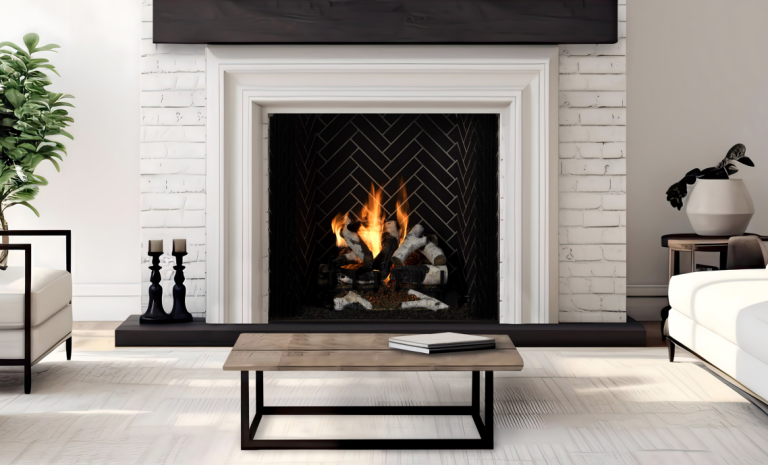
The comforting crackle of a wood-burning fireplace is a cherished sound in many homes, especially during the frosty winter months. However, while the ambiance is unbeatable, maintaining wood burning fireplaces is imperative for both safety and efficiency. Embracing a proactive maintenance routine not only ensures your fireplace remains a beautiful and functional feature of your home, but it also safeguards against potential fire hazards.
Prioritize Regular Cleaning and Inspections
Firstly, regular cleaning is crucial for keeping wood burning fireplaces safe and operational. Soot and creosote, byproducts of burning wood, can accumulate over time, posing significant fire risks if not addressed. Creosote is highly flammable, and its buildup is one of the leading causes of chimney fires. Most experts recommend having your chimney inspected and cleaned at least once a year, typically at the end of burning season, to remove these deposits and ensure adequate ventilation.
Maintain Proper Draft and Airflow Control
Moreover, maintaining a proper draft is essential for the efficient operation of wood burning fireplaces. An efficient draft not only helps fire burn more completely, reducing creosote formation, but also minimizes heat loss and prevents smoke from entering your home. According to a study by Elnakat and Gomez, homes that include fireplaces can use up to 31% more heating energy than those without them, largely because of increased drafts and heat escaping through the chimney. Ensuring that your damper is functioning properly and closed when the fireplace isn’t in use can significantly reduce this energy consumption.
Use the Right Wood for Cleaner Burns
In addition to cleaning and draft management, using the right kind of wood is a critical part of fireplace maintenance. Always opt for seasoned hardwoods like oak or maple, which burn cleaner and produce less creosote compared to softer woods. Unseasoned or green wood contains excess moisture that leads to more smoke and residue buildup. Storing wood in a dry, covered area ensures it stays in optimal condition for a cleaner, more efficient burn.
While a wood-burning fireplace can be a source of joy and warmth, it requires regular upkeep to remain safe and efficient. By adopting routine cleaning practices, ensuring proper airflow, and choosing the right fuel, homeowners can significantly reduce risks and energy inefficiencies, and for expert guidance, strategic marketing, and professional support that helps your fireplace or home services business stand out, visit Branco Inc today.