
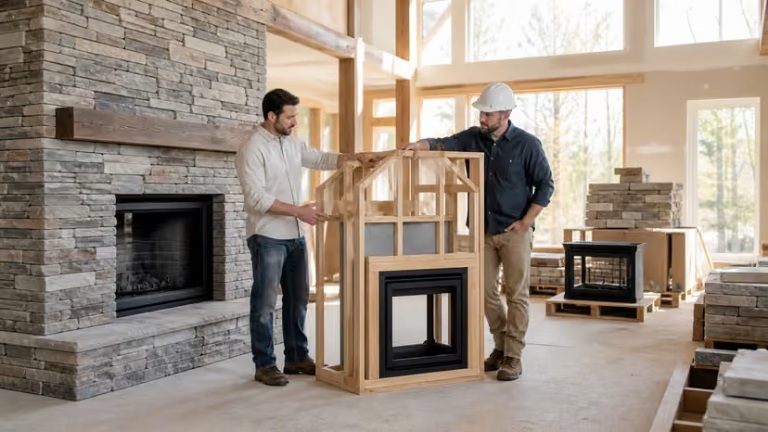
Fireplace work can create small but costly construction gaps when product supply, installation, stone veneer, and field coordination are handled by separate contacts. A missed accessory, late selection, or unfinished opening can quickly affect the next trade and add pressure near the punch list.
We help builders treat the fireplace scope as part of the overall construction plan, not as a standalone product purchase. That approach is especially useful in fall, when completions often stack up ahead of winter weather and year-end deadlines.
Close Construction Gaps Before They Reach the Punch List
A fireplace package touches more than one part of the home. It can involve framing, venting plans, electrical coordination, exterior finishes, drywall, trim, and stone veneer. When each item is managed separately, it can be unclear who is responsible for identifying a missing detail before work begins.
Our role as a trade partner is to help keep those connections visible from product selection through installation and closeout. We do not expect one person on the builder’s team to chase suppliers, installers, and material deliveries for every question. Instead, we provide a defined point of contact for the fireplace and related stone scope.
Early coordination helps us flag items that may otherwise surface late in the build, including:
- Product selections that need to align with the construction schedule
- Stone requirements tied to elevations or surrounding finishes
- Material quantities, accessories, and delivery timing
- Questions involving framing, electrical, HVAC, or finish trades
Not every field issue can be avoided, especially on unique plans or fast-moving jobsites. Still, clear responsibility gives your team a better chance to solve questions before they become punch-list work.
Why a Fireplace Contractor for Builders Reduces Handoffs
Separate suppliers and installers can create unnecessary handoffs. Your purchasing team may have one contact for the fireplace unit, another for stone materials, and a third for installation. Meanwhile, the superintendent needs answers about readiness, delivery dates, and the next step in the sequence.
With a fireplace contractor for builders, supply and installation can be managed as one coordinated scope. We stay involved early enough to review the approved fireplace package, location, stone needs, elevations, and timing with the project team. That does not remove the need for jobsite coordination, but it does make responsibility clearer.
When questions come up, your team should not have to wonder whether an issue belongs to the product supplier, the installer, or the stone trade. A single accountable partner can help identify the right path forward and keep communication moving between the people working on the home.
This approach also helps prevent scope gaps that are easy to overlook during purchasing. A fireplace may appear simple on a plan, but its placement and finish details can affect several trades. Clarifying the package early gives us and your field team more time to address those connections before completed work is in the way.
Protect the Schedule From Product and Readiness Gaps
Product decisions need to match construction timing, not just the final appearance of the home. If selections are delayed, procurement and delivery may be pushed back. That delay can then affect installation, drywall, exterior stone work, trim, inspections, and completion planning.
Our team works with builders to coordinate material planning and delivery around the build schedule. For production work, that can mean supporting repeatable packages across multiple homes. For semi-custom and custom projects, it can mean making sure the selected package fits the plan, elevation, and construction sequence.
Site readiness matters just as much as the selected product. Before an installation crew arrives, the work area needs to be ready for the scheduled scope. We communicate with the builder and field team about practical readiness needs so the crew can arrive prepared and work can proceed without avoidable delays.
Common readiness items may include:
- Framing conditions at the fireplace location
- Jobsite access and material staging
- Planned electrical or venting coordination
- Timing of nearby work by drywall, stone, or exterior trades
When a site is not ready, a return trip may be needed. That can create schedule pressure for the fireplace crew and for the trades waiting behind them. Coordinated scheduling helps reduce those disruptions and supports a smoother flow from rough construction through finish work.
Limit Callbacks with Early Coordination and Consistent Installation
Field conflicts often show up when a fireplace location or finish detail was not fully coordinated before surrounding work began. By the time the issue becomes visible, framing may be closed, drywall may be installed, or exterior cladding may already be underway. Corrections at that stage can affect completed work and create unnecessary punch-list items.
We support a repeatable installation process across homes and communities while still accounting for plan-specific details. That consistency helps production builders manage multiple starts, and it gives semi-custom and custom builders a more dependable path for coordinating unique selections.
Installation decisions should follow manufacturer instructions, approved plans, and applicable code requirements. Our team works within the defined project scope and communicates with the builder when questions arise that involve adjacent trades or site conditions. Clear communication is often what keeps a small question from turning into a larger field problem.
Documentation also matters after closing. If a warranty or construction team has a question, it is helpful to have continuity between the original product package, installation scope, and follow-up communication. We cannot promise that questions will never arise, but defined responsibility can make resolution more straightforward.
Build Consistency Across Homes and Project Phases
Repeatable fireplace and stone packages can simplify purchasing and estimating. When standard options align with your plans, elevations, and budget targets, your team can compare scopes more easily and keep selections organized across communities or phases.
Material coordination is equally important when multiple homes are moving at once. Managing fireplaces, manufactured stone veneer, exterior stone, and related materials through one trade partner reduces the number of separate orders and contacts your team needs to track. It also gives us a clearer view of what is needed for each scheduled installation.
Long-term trade relationships improve day-to-day jobsite communication. Because we have supported Raleigh-area residential construction for decades, we understand that builders need timely updates, consistent field execution, and clear ownership when the schedule changes. Our team works to align with your purchasing process, quality expectations, and preferred communication methods.
Coordinate the Next Package Before Schedules Tighten
Many fireplace-related gaps are preventable when the right trade partner is involved early and remains responsible through supply, installation, and closeout. Fewer handoffs, clearer communication with adjacent trades, coordinated deliveries, and consistent installation all support a more predictable build process.
As schedules tighten, the practical takeaway is simple: confirm the fireplace package, stone scope, site readiness, and installation timing before those details affect the next phase of work. Early planning gives your construction team more room to manage changes without pushing pressure downstream.
One Partner for Fireplace Package Coordination
Brandco helps builders align product selection, material supply, installation, and trade coordination across each home or phase. Work with a fireplace contractor for builders that understands production schedules and the need for consistent execution. For an upcoming project, contact us to discuss your fireplace and stone package requirements.
Frequently Asked Questions
What does a fireplace contractor do for builders?
A fireplace contractor helps coordinate fireplace product supply, installation, related accessories, and often stone veneer work. This creates a clear point of contact for questions involving scheduling, site readiness, framing, venting, electrical work, and finish details.
How can a fireplace contractor help prevent construction delays?
A fireplace contractor can identify product selections, accessories, material quantities, and delivery needs early in the build. Coordinating these details before installation helps prevent delays that can affect drywall, trim, stone work, inspections, and final completion.
What is the difference between buying a fireplace from a supplier and hiring a fireplace contractor?
A supplier may provide the fireplace unit and materials, while a fireplace contractor coordinates the broader scope, including installation and jobsite communication. Using one accountable partner can reduce handoffs between the supplier, installer, stone trade, and builder’s field team.
What should be checked before fireplace installation begins?
Builders should confirm that the selected fireplace package, accessories, venting plan, delivery timing, and installation location match the construction plan. The area should also be ready for the scheduled work, with required framing, electrical, HVAC, and finish-trade coordination addressed.
Why does fireplace and stone coordination matter in new home construction?
Fireplace placement and surrounding stone can affect framing, exterior finishes, drywall, trim, electrical work, and elevations. Coordinating the fireplace and stone scope early helps prevent missing details from becoming expensive punch-list issues near the end of the project.